Hey there! I’m a supplier of Polyaluminium Chloride (PAC), and I’ve been in this business for quite a while. One question I get asked a lot is, "How do you evaluate the performance of PAC in water treatment?" Well, in this blog, I’m gonna share some insights on that. Polyaluminium Chloride
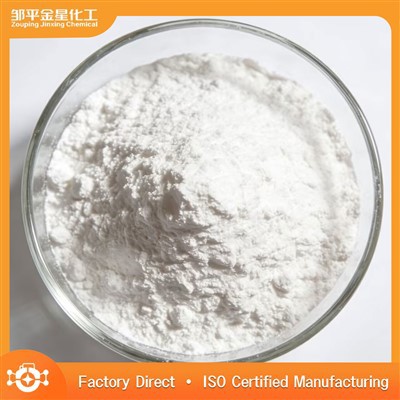
Understanding the Basics of PAC
First off, let’s talk a bit about what PAC is. Polyaluminium Chloride is a popular water treatment chemical. It’s used in a wide range of applications, from drinking water treatment to industrial wastewater treatment. PAC works by neutralizing the charges of suspended particles in water, which causes them to clump together (coagulate) and settle out. This process helps to remove turbidity, color, and some dissolved organic matter from the water.
Key Factors for Evaluating PAC Performance
1. Coagulation Efficiency
The most obvious way to evaluate PAC is to look at its coagulation efficiency. This is all about how well it can make those tiny particles in the water stick together. You can measure this by looking at the turbidity of the water before and after treatment. A good PAC should be able to significantly reduce the turbidity.
To test this, you can take a sample of the water you’re treating. Measure its initial turbidity using a turbidity meter. Then, add a known amount of PAC to the water and mix it well. Let it sit for a while to allow the coagulation to take place. After that, measure the turbidity again. The difference between the initial and final turbidity gives you an idea of how well the PAC is working.
For example, if the initial turbidity is 100 NTU (Nephelometric Turbidity Units) and after treatment it drops to 10 NTU, that’s a pretty good result. A high reduction in turbidity means the PAC is effectively coagulating the particles.
2. Floc Formation
Another important aspect is the formation of flocs. Flocs are the clumps of particles that form after coagulation. A good PAC should produce large, dense, and fast – settling flocs.
You can observe the floc formation visually. When you add PAC to the water and mix it, watch how quickly the flocs start to form. If they form rapidly and are large enough to settle quickly, that’s a sign of good performance. You can also measure the settling rate of the flocs. This can be done by using a settling column. Fill the column with the treated water and time how long it takes for the flocs to settle to the bottom. A faster settling rate indicates better floc formation and, therefore, better PAC performance.
3. pH Range
The performance of PAC is also affected by the pH of the water. PAC generally works well in a pH range of 5 – 9. However, the optimal pH can vary depending on the specific type of PAC and the characteristics of the water being treated.
You can test the effect of pH on PAC performance by adjusting the pH of the water samples and then adding the same amount of PAC to each sample. Measure the coagulation efficiency and floc formation at different pH values. This will help you determine the optimal pH for your water treatment process. For instance, if you find that the PAC works best at a pH of 7, you can adjust the pH of the water to this value before adding the PAC.
4. Residual Aluminum
It’s important to consider the amount of residual aluminum in the treated water. Aluminum is a metal, and high levels of it in drinking water can be a health concern. A good PAC should be able to achieve effective water treatment with a low residual aluminum concentration.
You can measure the residual aluminum using a spectrophotometer or other analytical methods. If the residual aluminum is too high, it may indicate that the PAC is not being used correctly or that the dosage is too high. Adjusting the dosage or the treatment process can help reduce the residual aluminum levels.
Real – World Testing
In real – world scenarios, you can also evaluate PAC performance by looking at the overall water quality after treatment. This includes parameters like color, odor, and the presence of other contaminants.
For example, if you’re treating industrial wastewater, you can check if the PAC is effectively removing heavy metals, organic pollutants, or other harmful substances. You can take samples of the treated water and analyze them in a laboratory. Compare the results with the regulatory standards for the specific type of water you’re treating.
Comparing Different PAC Products
As a supplier, I know there are different types of PAC available in the market. Some are more suitable for certain types of water treatment than others. When evaluating PAC performance, it’s a good idea to compare different products.
You can conduct side – by – side tests using the same water sample. Add different types of PAC to separate samples and measure the coagulation efficiency, floc formation, and other performance indicators. This will help you determine which PAC product is the best fit for your water treatment needs.
Tips for Optimal PAC Performance
- Proper Dosage: Using the right amount of PAC is crucial. Too little PAC won’t achieve effective coagulation, while too much can lead to high residual aluminum levels and other issues. You can conduct jar tests to determine the optimal dosage for your water.
- Mixing: Good mixing is essential for the PAC to work properly. Make sure the PAC is evenly distributed in the water. You can use mechanical mixers or other mixing devices to ensure thorough mixing.
- Storage: Store PAC properly to maintain its quality. Keep it in a dry, cool place away from direct sunlight.
Conclusion

Evaluating the performance of Polyaluminium Chloride in water treatment is a multi – faceted process. By considering factors like coagulation efficiency, floc formation, pH range, and residual aluminum, you can get a good idea of how well the PAC is working.
Polyferric Sulfate If you’re in the market for high – quality PAC for your water treatment needs, I’d love to talk to you. Whether you’re dealing with drinking water treatment, industrial wastewater, or something else, I can help you find the right PAC product and ensure optimal performance. Reach out to me, and we can start a conversation about your specific requirements.
References
- "Water Treatment Chemicals: Fundamentals and Core Applications" by George Clifford White
- "Coagulation and Flocculation in Water and Wastewater Treatment" by Pieter Stumm and James J. Morgan
Zouping Jinxing Chemical Co., Ltd.
Zouping Jinxing Chemical Co., Ltd. is one of the most reliable polyaluminium chloride manufacturers and suppliers in China, also supports customized service with low price. Please feel free to wholesale cheap polyaluminium chloride in stock here from our factory. For free sample, contact us now.
Address: Guojia Village, Jiaoqiao Town, Binzhou City, Shandong Province, China
E-mail: admin@zpjxhg.com.cn
WebSite: https://www.zpjinxing.com/
