Engraving on a conventional milling machine is a precise and rewarding process that combines traditional machining techniques with artistic creativity. As a supplier of conventional milling machines, I have witnessed firsthand the capabilities and potential of these machines in the field of engraving. In this blog post, I will share some insights and practical tips on how to perform engraving on a conventional milling machine. Conventional Milling Machine
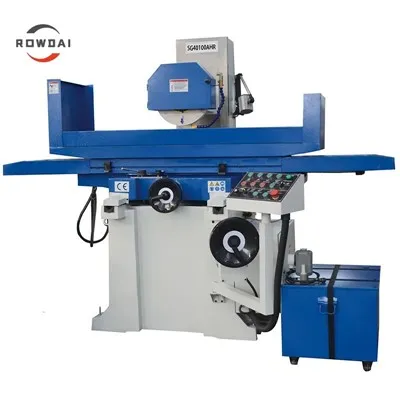
Understanding the Basics of Engraving on a Conventional Milling Machine
Engraving on a conventional milling machine involves using a rotating cutting tool to remove material from a workpiece to create a design or pattern. The process requires careful planning, precise control, and the right tools and materials. Here are the key steps involved in engraving on a conventional milling machine:
1. Design and Planning
The first step in engraving is to create a design or pattern that you want to engrave on the workpiece. This can be done using computer-aided design (CAD) software or by hand-drawing the design on a piece of paper. Once you have the design, you need to transfer it to the workpiece. This can be done using a variety of methods, such as using a transfer paper, a laser engraver, or a manual tracing method.
2. Selecting the Right Tools and Materials
The next step is to select the right tools and materials for the engraving process. The type of tool you use will depend on the material you are engraving and the depth and complexity of the design. For example, if you are engraving on a hard material such as steel, you will need a carbide or diamond-tipped cutting tool. If you are engraving on a softer material such as wood or plastic, you can use a high-speed steel cutting tool.
In addition to the cutting tool, you will also need to select the right workpiece material. The material you choose will depend on the intended use of the engraved piece and the aesthetic you want to achieve. Some common materials used for engraving include wood, metal, plastic, and glass.
3. Setting Up the Milling Machine
Once you have the design and the tools and materials, the next step is to set up the milling machine. This involves mounting the workpiece on the machine table and aligning it with the cutting tool. You will also need to set the cutting speed, feed rate, and depth of cut. These settings will depend on the material you are engraving and the type of cutting tool you are using.
4. Performing the Engraving
Once the milling machine is set up, you can start the engraving process. This involves using the cutting tool to remove material from the workpiece according to the design. You will need to carefully control the movement of the cutting tool to ensure that the engraving is accurate and consistent. This can be done using the machine’s controls or by using a manual feed.
5. Finishing and Polishing
After the engraving is complete, you will need to finish and polish the engraved piece. This involves removing any burrs or rough edges and applying a finish to the surface of the workpiece. The type of finish you choose will depend on the material you are engraving and the aesthetic you want to achieve. Some common finishes used for engraving include oil, wax, and paint.
Tips for Successful Engraving on a Conventional Milling Machine
Here are some tips to help you achieve successful engraving on a conventional milling machine:
1. Use the Right Cutting Tool
The type of cutting tool you use will have a significant impact on the quality of the engraving. Make sure you choose a cutting tool that is appropriate for the material you are engraving and the depth and complexity of the design.
2. Control the Cutting Speed and Feed Rate
The cutting speed and feed rate are important factors that affect the quality of the engraving. Make sure you set the cutting speed and feed rate according to the material you are engraving and the type of cutting tool you are using.
3. Use a Coolant
Using a coolant can help to reduce the heat generated during the engraving process and prevent the cutting tool from overheating. This can help to improve the quality of the engraving and extend the life of the cutting tool.
4. Take Your Time
Engraving on a conventional milling machine requires patience and precision. Take your time and make sure you are careful and accurate with each cut. This will help to ensure that the engraving is of high quality and meets your expectations.
5. Practice and Experiment
Engraving on a conventional milling machine is a skill that takes time and practice to develop. Don’t be afraid to experiment with different designs, tools, and techniques to find what works best for you.
Conclusion

Engraving on a conventional milling machine is a rewarding and challenging process that requires careful planning, precise control, and the right tools and materials. By following the tips and techniques outlined in this blog post, you can achieve successful engraving on a conventional milling machine and create beautiful and unique engraved pieces.
Vertical Machining Center If you are interested in purchasing a conventional milling machine for engraving or have any questions about the engraving process, please feel free to contact us. We are a leading supplier of conventional milling machines and can provide you with the expertise and support you need to get started.
References
- "Machining Fundamentals" by John R. Walker
- "CNC Programming Handbook" by Frank D. Petruzella
- "Milling Machines: Operation and Maintenance" by Robert H. Todd
Henan Rowdai Machinery Equipment Co., Ltd.
As one of the most professional conventional milling machine manufacturers in China, we’re featured by quality products and good price. Please rest assured to buy high-grade conventional milling machine for sale here from our factory. If you have any enquiry about cooperation, please feel free to email us.
Address: Building 9, E-Commerce Industrial Park, High-Tech Zone, Zhengzhou, Henan, China
E-mail: rowdai@rowdai.com
WebSite: https://www.rowdai.com/
