As an ASME flange supplier deeply entrenched in the industry, I’ve encountered numerous inquiries surrounding the topic of flange gasket compression within the framework of ASME standards. This vital aspect is often overlooked yet plays a paramount role in ensuring the integrity and reliability of piping systems. In this blog post, I’ll delve into the nuances of flange gasket compression in ASME, exploring its significance, influencing factors, and best practices. ASME Flange

Understanding the Basics of Flange Gasket Compression
Flange gasket compression is the process of applying pressure to a gasket placed between two flanges to create a tight seal. This seal is crucial in preventing leaks of fluids or gases in piping systems, which can range from mild annoyances to severe safety hazards. In the context of ASME (American Society of Mechanical Engineers), specific standards govern the design, fabrication, and installation of flanges and gaskets, ensuring that all components meet rigorous quality and safety requirements.
When two flanges are bolted together, the bolts exert a force that compresses the gasket between them. This compression deforms the gasket material, filling in the microscopic irregularities on the flange surfaces and creating a barrier against leakage. The amount of compression required depends on several factors, including the type of gasket material, the operating conditions of the system, and the specific ASME standard being followed.
Significance of Proper Flange Gasket Compression
Proper flange gasket compression is essential for several reasons. Firstly, it ensures the safety of the piping system. A poorly compressed gasket can lead to leaks, which can pose significant risks, especially in systems handling hazardous materials such as chemicals, gases, or high – pressure steam. Leaks can cause environmental contamination, equipment damage, and even endanger the lives of personnel working in the vicinity.
Secondly, it enhances the efficiency of the system. Leaks can result in the loss of valuable fluids or gases, leading to increased operating costs. In addition, fluid leaks can cause erosion and corrosion in the piping system, reducing its lifespan and increasing the need for maintenance and repairs.
Thirdly, compliance with ASME standards is mandatory in many industries. Adhering to the proper flange gasket compression specified in ASME codes not only ensures the reliability of the system but also helps companies avoid legal liabilities and potential fines.
Factors Influencing Flange Gasket Compression
Gasket Material
Different gasket materials have different compression characteristics. For example, soft gasket materials like non – asbestos fiber gaskets are more compressible than metallic gaskets. They require less bolt force to achieve a proper seal. In contrast, metallic gaskets, such as spiral – wound gaskets or ring – type joint gaskets, are designed for high – pressure and high – temperature applications and generally require higher compression forces. Understanding the properties of the chosen gasket material is crucial for determining the appropriate compression.
Operating Conditions
The pressure, temperature, and chemical composition of the fluid or gas in the piping system significantly influence gasket compression. High – pressure systems require more compression to prevent leaks, as the internal pressure tries to force the fluid out through any gaps in the seal. Similarly, high – temperature applications can cause the gasket material to expand or contract, affecting its sealing ability. In such cases, gaskets with better thermal stability may be required, and the compression force may need to be adjusted accordingly.
Flange Surface Finish
The surface finish of the flanges also plays a role in gasket compression. Flange surfaces should be smooth and flat to ensure proper contact with the gasket. Rough or uneven surfaces can prevent the gasket from deforming uniformly, leading to leaks. ASME standards specify the acceptable surface roughness and flatness tolerances for flanges to ensure a good seal.
Bolt Tightening Sequence and Torque
The sequence in which the bolts are tightened and the amount of torque applied are critical factors in achieving uniform gasket compression. An improper tightening sequence can result in uneven compression, causing the gasket to be over – compressed in some areas and under – compressed in others. ASME provides guidelines on the correct bolt tightening sequence and the recommended torque values based on the flange size, bolt size, and gasket material.
ASME Standards and Flange Gasket Compression
ASME has developed a comprehensive set of standards that cover various aspects of flange and gasket design, installation, and maintenance. Some of the key standards relevant to flange gasket compression include:
ASME B16.20
This standard covers the dimensions, tolerances, and materials for ring – type joint gaskets and spiral – wound gaskets. It provides guidelines on the compression requirements for these types of gaskets to ensure a proper seal. For example, for spiral – wound gaskets, the standard specifies the minimum compression ratio based on the type of filler material and the application.
ASME B16.5
This standard addresses the design and dimensions of pipe flanges and flanged fittings. It includes information on the flange facing types, such as flat face, raised face, and ring – type joint face, which are designed to work with different gasket types. The standard also provides general recommendations on bolt tightening procedures to achieve proper gasket compression.
ASME PCC – 1
The Pressure Vessel and Piping Codes – 1 (PCC – 1) provides guidelines for the maintenance and repair of piping systems, including the installation and replacement of gaskets. It offers detailed information on gasket selection, bolt torque calculation, and inspection procedures to ensure compliance with ASME standards and proper gasket compression.
Best Practices for Flange Gasket Compression
Gasket Selection
Choose a gasket material that is compatible with the fluid or gas in the system, the operating temperature and pressure, and the flange type. Refer to ASME standards and manufacturer’s recommendations when selecting a gasket. For example, if the system is handling high – temperature steam, a metallic gasket with good thermal resistance may be the best choice.
Flange Surface Preparation
Ensure that the flange surfaces are clean, smooth, and free of any damage or corrosion. Use a suitable abrasive to remove any rust or scale, and then clean the surfaces with a solvent to remove any grease or dirt. Check the surface roughness and flatness to ensure they meet the ASME requirements.
Bolt Tightening
Follow the correct bolt tightening sequence and apply the recommended torque. Use a calibrated torque wrench to ensure accuracy. For large – diameter flanges, it may be necessary to use a hydraulic bolt tensioner to achieve uniform compression. In addition, it’s advisable to re – check the bolt torque after the system has been in operation for a short period to account for any gasket relaxation.
Inspection
Regularly inspect the flanges and gaskets for signs of leaks, corrosion, or damage. During inspections, check the bolt tightness and the condition of the gasket. If any issues are detected, take immediate corrective action, which may include tightening the bolts, replacing the gasket, or repairing the flanges.
Why Choose Us as Your ASME Flange Supplier
As an experienced ASME flange supplier, we are committed to providing high – quality flanges and gaskets that meet or exceed ASME standards. Our products are manufactured using the latest technology and processes, ensuring the highest level of quality and reliability. We have a team of experts who can provide technical support and guidance on flange and gasket selection, installation, and maintenance.
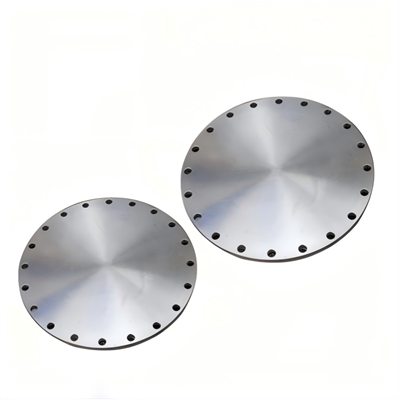
We understand that every project is unique, and we work closely with our customers to understand their specific requirements. Whether you are working on a small – scale industrial project or a large – scale infrastructure development, we can offer customized solutions to meet your needs. Our extensive inventory allows us to provide quick turnaround times, ensuring that your project stays on schedule.
ASME Flange If you are looking for a reliable ASME flange supplier, we invite you to contact us for a consultation. We would be more than happy to discuss your project requirements and provide you with a competitive quote. Our knowledge and experience in flange gasket compression and ASME standards can help you ensure the success of your piping system.
References
- ASME B16.20 – Metallic Gaskets for Pipe Flanges: Ring – Type Joint, Spiral – Wound, and Jacketed
- ASME B16.5 – Pipe Flanges and Flanged Fittings: NPS 1/2 through 24 Metric/Inch Standard
- ASME PCC – 1 – Guidelines for Pressure Vessel and Piping Joint Integrity
Hebei Haihao Group Huadian High Pressure Pipe Fittings Co., Ltd.
As one of the most professional asme flange manufacturers and suppliers in China, we are able to meet the needs of the majority of our customers. Please rest assured to wholesale high quality asme flange made in China here from our factory. For price consultation, contact us.
Address: Donglin Industrial Zone, Mengcun County, Cangzhou City, Hebei Province, China
E-mail: haihaohuadian@outlook.com
WebSite: https://www.hhfittings.com/
