Yo, what’s up, folks! As a hipot tester supplier, I often get asked about the frequency range for AC testing. So, I thought I’d break it down for you in this blog post. Hipot Tester
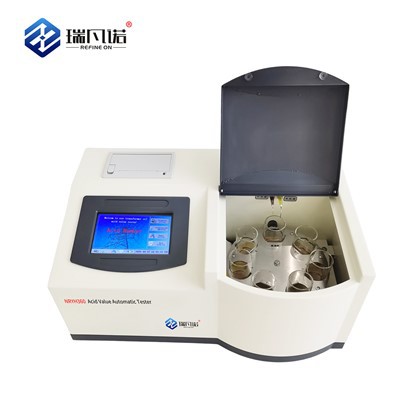
First off, let’s talk about what a hipot tester is. A hipot tester, short for high potential tester, is a device used to test the electrical insulation of a component or product. It applies a high voltage to the device under test (DUT) to check if there are any insulation failures. AC testing, in particular, is used to simulate real – world operating conditions where the electrical power is alternating current.
The frequency range for AC hipot testing can vary depending on a few factors. In general, the most common frequency range for AC hipot testing is from 45 Hz to 65 Hz. This range is close to the standard power frequencies used in most countries (50 Hz in many parts of the world and 60 Hz in the United States and some other countries). Using a frequency within this range allows the hipot test to be more representative of the actual operating conditions of the DUT.
Why is this frequency range so common? Well, when you’re testing electrical equipment, you want to make sure that the test conditions are as close as possible to the real – world scenario. Since most electrical power systems operate at frequencies around 50 or 60 Hz, testing at a similar frequency gives you a more accurate picture of the insulation’s performance under normal usage.
However, there are also cases where different frequency ranges might be used. For example, in some specialized applications, like testing high – frequency transformers or electronic circuits that operate at a higher frequency, a higher frequency hipot test might be required. In these situations, the frequency range can go up to several kilohertz or even megahertz.
One reason for using a higher frequency hipot test is that higher frequencies can sometimes detect insulation problems that might not be visible at lower frequencies. Capacitive effects in the insulation are more pronounced at higher frequencies. So, if there are any issues with the capacitance or dielectric properties of the insulation, a higher – frequency test can help identify them.
On the other hand, lower frequencies can also be used in some cases. For very large electrical equipment, such as large power transformers, a lower frequency hipot test might be more suitable. This is because the capacitive current that flows through the insulation is proportional to the frequency. At a lower frequency, the capacitive current is reduced, which can prevent excessive stress on the insulation during the test.
Now, let’s talk about how we, as a hipot tester supplier, can help you choose the right frequency range for your testing needs. We understand that different customers have different requirements. Whether you’re testing simple consumer electronics or large industrial power equipment, we have a range of hipot testers that can cover a wide variety of frequency ranges.
Our team of experts is always on hand to provide advice. We’ll ask you about the type of equipment you’re testing, its intended use, and any specific standards or regulations that apply. Based on this information, we can recommend the most appropriate hipot tester and the right frequency range for your tests.
Another thing to consider when it comes to frequency range is the accuracy of the hipot tester. Different testers have different levels of accuracy in measuring the voltage and current at different frequencies. Our hipot testers are designed to provide high – accuracy measurements across a wide frequency range. This means that you can trust the test results, whether you’re testing at 50 Hz or a much higher frequency for a specialized application.
We also offer features like adjustable frequency settings on many of our hipot testers. This gives you the flexibility to conduct tests at different frequencies if needed. For example, if you’re developing a new product and want to test it under different conditions, you can easily adjust the frequency of the hipot tester to simulate various scenarios.
Let’s not forget about safety. When conducting hipot tests, especially at high frequencies or high voltages, safety is of the utmost importance. Our hipot testers are equipped with multiple safety features to protect both the operator and the DUT. These features include over – current protection, ground – fault protection, and emergency stop buttons. So, you can conduct your tests with peace of mind, knowing that you’re using a safe and reliable device.
In addition to the basic frequency range capabilities, our hipot testers also come with advanced functionality. For example, some of our models can perform automated tests, which can save you a lot of time and effort, especially if you’re testing a large number of components. They can also store test results, which is useful for quality control and compliance purposes.
If you’re in the market for a hipot tester, choosing the right frequency range is a crucial decision. You need to balance the requirements of your testing application with the capabilities of the tester. And that’s where we come in. We’ve got the knowledge, the experience, and the range of products to help you make the best choice.
So, if you’re interested in learning more about our hipot testers or need help choosing the right one for your frequency – specific testing needs, don’t hesitate to reach out. Whether you’re a small – scale electronics manufacturer or a large industrial company, we’re here to assist you. Let’s have a chat and figure out the perfect solution for your hipot testing requirements.
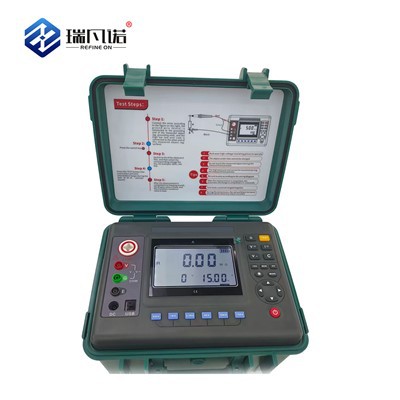
In conclusion, the frequency range for AC hipot testing can vary widely depending on the application. The common range is 45 – 65 Hz, but higher or lower frequencies might be used in specialized cases. As a hipot tester supplier, we’re committed to helping you find the right tester with the appropriate frequency range for your testing. Don’t wait any longer; contact us today to start discussing your hipot testing needs.
Lightning Arrester Tester References:
- Electrical Insulation Testing Handbook
- Standards for High – Voltage Testing Equipment
Refine On (Hebei) Electric Power Technology Co., Ltd.
Refine On (Hebei) Electric Power Technology Co., Ltd. is one of the most reliable hipot tester manufacturers and suppliers in China, also supports customized service. Please feel free to wholesale advanced hipot tester at competitive price from our factory. Contact us for quotation.
Address: Building 13, Liandong U Valley, No.64, Jing SAN South Street, Economic Development Zone, Mancheng District, Baoding City, China
E-mail: victor@transformer-test.com
WebSite: https://www.transformer-test.com/
