Hey there! I’m a supplier of photovoltaic equipment ceramics, and I’ve been getting a bunch of questions lately about whether our ceramics can be used in solar desalination plants. So, I thought I’d sit down and write this blog to share my thoughts and some scientific insights on the matter. Photovoltaic Equipment Ceramics
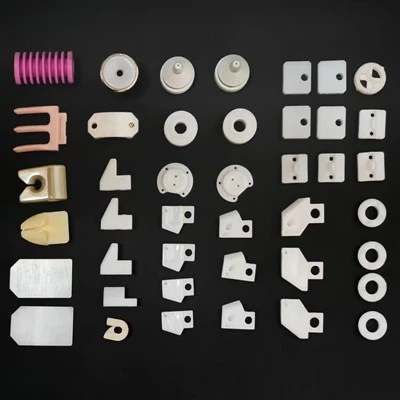
First off, let’s talk a bit about what photovoltaic equipment ceramics are and what solar desalination plants do. Photovoltaic equipment ceramics are special types of ceramics that are used in photovoltaic systems. These ceramics are known for their excellent electrical insulation, high temperature resistance, and good mechanical properties. They play a crucial role in protecting and supporting the various components in solar panels, like the cells and wiring.
On the other hand, solar desalination plants are facilities that use solar energy to remove salt and other impurities from seawater or brackish water, making it suitable for drinking, irrigation, or industrial use. There are different types of solar desalination methods, such as solar distillation, which relies on the evaporation and condensation of water, and membrane – based processes that use solar – powered pumps to force water through semi – permeable membranes.
So, can our photovoltaic equipment ceramics be used in these solar desalination plants? Well, there are several aspects to consider.
Electrical Insulation and Safety
One of the key features of our ceramics is their outstanding electrical insulation. In solar desalination plants, especially those that use photovoltaic systems to power the desalination process, electrical safety is of utmost importance. The ceramics can be used to insulate the electrical components in the solar panels and the associated power systems. For example, they can be used as insulators for the connectors and terminals in the photovoltaic arrays. This helps prevent electrical short – circuits, which could not only damage the equipment but also pose a safety hazard.
In membrane – based desalination processes, solar – powered pumps are often used to create the pressure needed for water to pass through the membranes. Our ceramics can be used to insulate the motors of these pumps. This is important because the motors operate in a high – voltage environment, and any electrical leakage could lead to malfunctions or even accidents.
High – Temperature Resistance
Solar desalination plants can get pretty hot. Solar collectors, which are used to absorb sunlight and convert it into heat or electricity, can reach high temperatures during operation. Our photovoltaic equipment ceramics have excellent high – temperature resistance. They can withstand the heat generated by the solar collectors without deforming or losing their properties.
In solar distillation systems, the water is heated to evaporate it. The heat source is usually a solar collector, which can get very hot. Our ceramics can be used in the construction of these collectors to provide insulation and protection. They can also be used in the piping systems that carry the hot water or steam, helping to maintain the temperature and prevent heat loss.
Corrosion Resistance
Seawater is extremely corrosive. Any equipment used in a solar desalination plant has to be able to withstand the corrosive effects of the saltwater. Our ceramics have good corrosion resistance. They are not easily affected by the chemical components in seawater, such as salts and minerals.
In membrane – based desalination systems, the membranes are often in contact with the seawater. The support structures and frames for these membranes can be made of our ceramics. This helps protect the membranes from corrosion and extends their lifespan. Similarly, in solar distillation systems, the containers and pipes that hold and transport the seawater can be made with ceramic components to resist corrosion.
Mechanical Strength
Another advantage of our photovoltaic equipment ceramics is their high mechanical strength. In a solar desalination plant, the equipment has to endure various mechanical stresses. For example, the solar panels are often exposed to wind, rain, and even hail. Our ceramics can provide the necessary structural support to ensure the stability of the panels.
In the case of solar – powered pumps, the ceramic components can withstand the mechanical forces generated during the pumping process. This helps prevent the pumps from breaking down and ensures the continuous operation of the desalination plant.
Cost – Effectiveness
Cost is always a major factor in any large – scale project like a solar desalination plant. Our photovoltaic equipment ceramics are relatively cost – effective compared to some other materials. They have a long lifespan, which means less frequent replacement. This reduces the overall cost of the desalination plant in the long run.
Moreover, their versatility allows them to be used in multiple applications within the plant, from electrical insulation to structural support. This means that instead of using different materials for different functions, a single type of ceramic can serve multiple purposes, further reducing costs.
Some Challenges
Of course, it’s not all sunshine and rainbows. There are a few challenges when it comes to using our ceramics in solar desalination plants. One challenge is the initial investment. Although the long – term cost is low, the upfront cost of purchasing and installing ceramic components can be relatively high. This might be a deterrent for some smaller desalination projects.
Another challenge is the manufacturing process. The production of high – quality photovoltaic equipment ceramics requires specialized equipment and expertise. Ensuring a consistent supply of these ceramics to large – scale desalination projects can be a bit tricky.
In conclusion, I firmly believe that our photovoltaic equipment ceramics have great potential for use in solar desalination plants. Their electrical insulation, high – temperature resistance, corrosion resistance, mechanical strength, and cost – effectiveness make them a viable option for various applications within these plants.
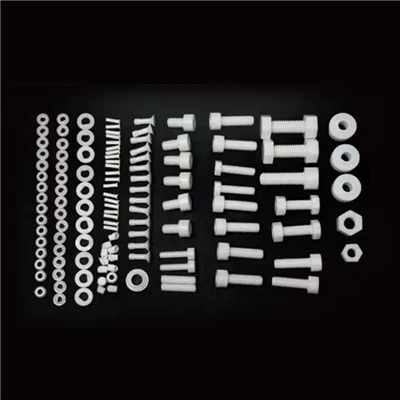
If you’re involved in the planning or operation of a solar desalination plant, I encourage you to consider our photovoltaic equipment ceramics. We can provide customized solutions to meet your specific needs. Whether it’s for electrical insulation, structural support, or corrosion protection, our ceramics can do the job.
Ceramic Blades If you’re interested in learning more about our products or want to discuss a potential purchase, don’t hesitate to reach out. We’re always happy to have a chat and see how we can help you make your solar desalination project a success.
References
- "Solar Desalination Technologies: Current Status and Future Trends" by various authors. Published in a leading journal on renewable energy.
- "Properties and Applications of Photovoltaic Equipment Ceramics" by a group of ceramic engineers. An industry – specific research report.
Haining Yifeng Ceramic Technology Co., Ltd.
We are one of the most experienced photovoltaic equipment ceramics manufacturers and suppliers in China, also support customized service. Welcome to buy high quality photovoltaic equipment ceramics made in China here and get pricelist from our factory. For price consultation, contact us.
Address: No. 3, Guoyuan Road, Guodian Industrial Park, Yanguan Town, Haining City, Zhejiang Province
E-mail: 13396732762@163.com
WebSite: https://www.yifengcer.com/
