As a supplier of Servo Cutting Machines, I often encounter questions from potential customers about the cutting force of these machines. Cutting force is a crucial parameter in the performance of a servo cutting machine, and understanding it is essential for making informed decisions when it comes to purchasing the right equipment for your specific needs. Servo Cutting Machine

Understanding Cutting Force
Cutting force refers to the amount of force required to cut through a material using a cutting tool. In the context of a servo cutting machine, this force is generated by the machine’s servo motor and transmitted to the cutting blade. The cutting force is influenced by several factors, including the type of material being cut, the thickness of the material, the cutting speed, and the sharpness of the cutting blade.
Types of Materials
Different materials have different levels of hardness and toughness, which directly affect the cutting force required. For example, cutting through soft materials like paper or fabric requires less force compared to cutting through hard materials like metal or plastic. The composition and structure of the material also play a role. For instance, materials with a high density or a complex molecular structure may require more force to cut.
Material Thickness
The thickness of the material is another significant factor. Thicker materials generally require more cutting force. As the thickness increases, the blade has to penetrate a greater volume of material, which means more resistance needs to be overcome. For example, cutting a 1 – mm thick sheet of steel will require less force than cutting a 5 – mm thick sheet of the same steel.
Cutting Speed
The cutting speed of the servo cutting machine also impacts the cutting force. A higher cutting speed can sometimes reduce the cutting force required. This is because at higher speeds, the blade can cut through the material more quickly, reducing the time the blade is in contact with the material and thus reducing the overall resistance. However, there is a limit to this effect. If the cutting speed is too high, it may cause the blade to overheat or wear out more quickly.
Blade Sharpness
A sharp cutting blade requires less force to cut through a material compared to a dull blade. As the blade becomes dull, the cutting edge becomes less effective at penetrating the material, and more force is needed to achieve the same cut. Regular blade maintenance and replacement are crucial to ensure optimal cutting performance and to minimize the cutting force required.
Measuring Cutting Force
Measuring the cutting force of a servo cutting machine is an important step in evaluating its performance. There are several methods for measuring cutting force, including the use of load cells and strain gauges.
Load cells are devices that convert force into an electrical signal. They can be placed between the cutting tool and the machine’s structure to measure the force exerted during the cutting process. Strain gauges, on the other hand, measure the deformation of a material under stress. By attaching strain gauges to the cutting tool or other components of the machine, the cutting force can be calculated based on the measured strain.
Importance of Cutting Force in Servo Cutting Machines
The cutting force of a servo cutting machine is of utmost importance for several reasons.
Precision Cutting
A proper cutting force ensures precise and clean cuts. If the cutting force is too low, the blade may not be able to cut through the material completely, resulting in incomplete cuts or ragged edges. On the other hand, if the cutting force is too high, it can cause excessive deformation of the material, leading to inaccurate cuts and potential damage to the material.
Machine Efficiency
The cutting force also affects the efficiency of the servo cutting machine. A machine that can generate the appropriate cutting force for a given material and cutting task will operate more efficiently. This means less energy consumption, reduced wear and tear on the machine components, and faster cutting times.
Material Compatibility
Understanding the cutting force requirements of different materials is essential for ensuring that the servo cutting machine is compatible with a wide range of materials. By adjusting the cutting force according to the material being cut, the machine can be used to cut various materials with optimal results.
Factors Affecting Cutting Force in Servo Cutting Machines
Servo Motor Power
The power of the servo motor is a key factor in determining the cutting force of a servo cutting machine. A more powerful servo motor can generate a higher cutting force. When choosing a servo cutting machine, it is important to consider the power of the servo motor based on the types and thicknesses of materials you plan to cut.
Machine Design
The design of the servo cutting machine also affects the cutting force. A well – designed machine will have a rigid structure that can effectively transmit the force from the servo motor to the cutting blade. The mechanical components, such as the gears and linkages, should be optimized to minimize energy losses and ensure efficient force transfer.
Control System
The control system of the servo cutting machine plays a crucial role in regulating the cutting force. A sophisticated control system can adjust the cutting force in real – time based on the material properties and cutting conditions. This allows for more precise and consistent cutting performance.
Applications of Servo Cutting Machines Based on Cutting Force
Textile Industry
In the textile industry, servo cutting machines are used to cut fabrics of various types and thicknesses. The cutting force needs to be adjusted according to the fabric’s properties. For example, cutting delicate silk fabrics requires a lower cutting force to avoid damage, while cutting thick denim may require a higher cutting force.
Packaging Industry
In the packaging industry, servo cutting machines are used to cut cardboard, paper, and plastic films. The cutting force should be optimized to ensure clean and accurate cuts, especially when cutting complex shapes or patterns.
Metalworking Industry
In the metalworking industry, servo cutting machines are used to cut metal sheets and bars. High cutting forces are required to cut through hard metals like steel. The cutting force needs to be carefully controlled to prevent overheating and damage to the cutting blade.
Conclusion
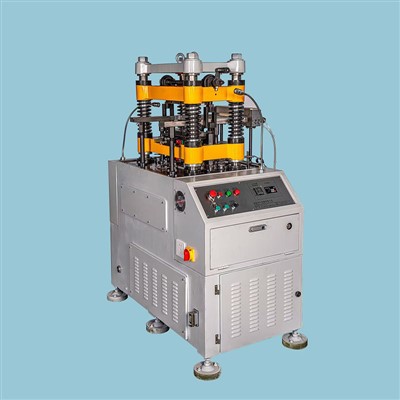
The cutting force of a servo cutting machine is a complex and important parameter that is influenced by multiple factors. As a supplier of servo cutting machines, we understand the significance of providing machines with the right cutting force for different applications. Our machines are designed to offer precise control over the cutting force, ensuring high – quality cuts and efficient operation.
Automatic Feeding Machine If you are in the market for a servo cutting machine and have questions about cutting force or any other aspect of our products, we encourage you to contact us for a detailed discussion. Our team of experts is ready to assist you in selecting the most suitable machine for your specific needs. Whether you are in the textile, packaging, or metalworking industry, we have the solutions to meet your cutting requirements.
References
- "Cutting Mechanics and Machine Tools" by John A. Schey
- "Manufacturing Engineering and Technology" by Serope Kalpakjian and Steven R. Schmid
- "Servo Systems: Theory and Design" by J. David Irwin
Suichang Lvye Machinery Co., Ltd.
We are one of the most professional servo cutting machine manufacturers in China, also support customized service with low price. We warmly welcome you to buy discount servo cutting machine for sale here from our factory. If you have any enquiry about quotation, please feel free to email us.
Address: No. 402, Mudanting East Road, Miaogao Street, Suichang County, Lishui City, Zhejiang Province
E-mail: L528753@outlook.com
WebSite: https://www.suichanglvye.com/
