Storing a single phase test bench properly when it’s not in use is crucial to maintain its performance, extend its lifespan, and ensure its reliability for future use. As a supplier of single phase test benches, I’ve witnessed firsthand the importance of correct storage practices. In this blog, I’ll share some valuable insights on how to store your single phase test bench effectively. Single Phase Test Bench

Understanding the Importance of Proper Storage
A single phase test bench is a sophisticated piece of equipment that contains delicate electronic components, precision instruments, and mechanical parts. Exposure to harsh environmental conditions, dust, moisture, and improper handling during storage can lead to corrosion, damage to the electrical circuits, and misalignment of mechanical parts. This can result in inaccurate test results, reduced functionality, and costly repairs. By following proper storage procedures, you can protect your investment and ensure that your test bench is always ready for use when you need it.
Preparing the Test Bench for Storage
Before storing your single phase test bench, it’s essential to perform a thorough cleaning and inspection to remove any dirt, debris, or contaminants that may have accumulated during use. Here are the steps to follow:
1. Power Off and Disconnect
First, turn off the power supply to the test bench and disconnect all electrical cables and connectors. This will prevent any electrical hazards and ensure that the test bench is in a safe state for storage.
2. Clean the Exterior
Use a soft, dry cloth to wipe down the exterior of the test bench to remove any dust, dirt, or fingerprints. For stubborn stains, you can use a mild cleaning solution and a damp cloth. Avoid using abrasive cleaners or solvents, as they can damage the surface of the test bench.
3. Clean the Interior
If possible, open the test bench’s enclosure and clean the interior components. Use a can of compressed air to blow out any dust or debris from the electronic circuits, fans, and other components. Be careful not to touch the components with your fingers, as the oils from your skin can cause damage.
4. Inspect for Damage
During the cleaning process, inspect the test bench for any signs of damage, such as loose wires, cracked components, or signs of wear and tear. If you notice any damage, it’s important to repair it before storing the test bench to prevent further deterioration.
5. Calibrate and Document
If your test bench requires calibration, it’s a good idea to calibrate it before storage. This will ensure that it remains accurate and reliable when you use it again. Additionally, document the calibration results and any other relevant information, such as the date of storage and the condition of the test bench.
Choosing the Right Storage Location
The location where you store your single phase test bench plays a significant role in its preservation. Here are some factors to consider when choosing a storage location:
1. Temperature and Humidity
The ideal storage temperature for a single phase test bench is between 10°C and 30°C (50°F and 86°F), with a relative humidity of 40% to 60%. Extreme temperatures and humidity levels can cause condensation, corrosion, and damage to the electronic components. Avoid storing the test bench in areas that are prone to temperature fluctuations, such as near windows, doors, or heating and cooling vents.
2. Dust and Dirt
Dust and dirt can accumulate on the test bench’s components and cause damage over time. Choose a storage location that is clean and free from dust, such as a closed cabinet or a storage room with a sealed door. If possible, cover the test bench with a dust cover to provide an extra layer of protection.
3. Vibration and Shock
Vibration and shock can cause mechanical parts to become loose or misaligned, and can also damage the electronic circuits. Avoid storing the test bench in areas that are subject to vibration, such as near heavy machinery or in a busy workshop. If you need to move the test bench during storage, use a proper handling equipment and take care to avoid any sudden movements or impacts.
4. Security
Ensure that the storage location is secure and protected from theft, vandalism, and unauthorized access. If you are storing the test bench in a shared or public area, consider using a lock or a security system to prevent any damage or loss.
Storing the Test Bench
Once you have prepared the test bench for storage and chosen the right storage location, it’s time to store it properly. Here are some tips to help you store your single phase test bench effectively:
1. Use a Protective Cover
Cover the test bench with a protective cover to prevent dust, dirt, and moisture from accumulating on the surface. You can use a custom-made cover or a generic cover that is designed to fit the size and shape of your test bench. Make sure the cover is made of a breathable material to prevent condensation from forming inside.
2. Store in a Vertical Position
If possible, store the test bench in a vertical position to prevent any damage to the internal components. This will also help to reduce the risk of vibration and shock during storage. If you need to store the test bench horizontally, make sure it is placed on a flat and stable surface.
3. Secure the Cables and Connectors
To prevent any damage to the cables and connectors, make sure they are properly secured and organized. You can use cable ties or Velcro straps to bundle the cables together and keep them out of the way. Additionally, label the cables and connectors to make it easier to reconnect them when you need to use the test bench again.
4. Check on the Test Bench Regularly
Even if you have stored the test bench properly, it’s important to check on it regularly to ensure that it is still in good condition. Inspect the test bench for any signs of damage, such as corrosion, rust, or loose components. If you notice any problems, take immediate action to address them.
Recommissioning the Test Bench
When you are ready to use the single phase test bench again, it’s important to perform a thorough inspection and testing to ensure that it is still in good working condition. Here are the steps to follow:
1. Inspect the Test Bench
Before powering on the test bench, inspect it for any signs of damage or corrosion. Check the cables and connectors for any signs of wear and tear, and make sure they are properly connected. Additionally, check the internal components for any signs of damage or loose parts.
2. Clean the Test Bench
If the test bench has been stored for an extended period of time, it’s a good idea to clean it again to remove any dust or debris that may have accumulated during storage. Use a soft, dry cloth to wipe down the exterior of the test bench, and use a can of compressed air to blow out any dust or debris from the internal components.
3. Calibrate the Test Bench
If your test bench requires calibration, it’s important to calibrate it before using it. Follow the manufacturer’s instructions for calibration, and make sure to use a calibrated reference standard.
4. Test the Test Bench
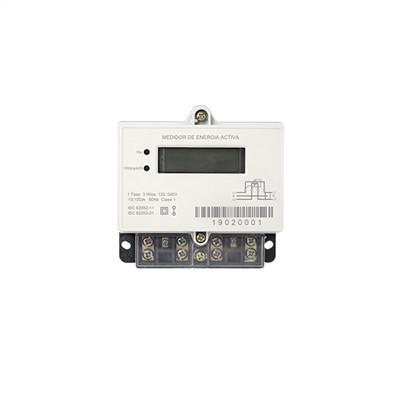
Once you have inspected, cleaned, and calibrated the test bench, it’s time to test it to ensure that it is working properly. Perform a series of tests using a known test specimen to verify the accuracy and reliability of the test bench. If you notice any problems or inconsistencies, contact the manufacturer or a qualified technician for assistance.
Conclusion
Three Phase Test Bench Proper storage of a single phase test bench is essential to maintain its performance, extend its lifespan, and ensure its reliability for future use. By following the guidelines outlined in this blog, you can protect your investment and ensure that your test bench is always ready for use when you need it. If you have any questions or need further assistance with storing your single phase test bench, please don’t hesitate to contact us. We are a leading supplier of single phase test benches, and we are committed to providing our customers with the highest quality products and services. Whether you are looking to purchase a new test bench or need help with storage and maintenance, we are here to help. Contact us today to learn more about our products and how we can assist you with your testing needs.
References
- Standard Operating Procedures for Laboratory Equipment Storage, various industry manuals.
- Guidelines for Electronic Component Preservation, electronics manufacturers’ documentation.
- Best Practices for Test Equipment Storage, technical white – papers in the electrical testing industry.
Jian Xin Technical Limited
Jian Xin Technical Limited is well-known as one of the leading single phase test bench manufacturers and suppliers in China. If you’re going to buy high quality single phase test bench with low price, welcome to get pricelist from our factory. Also, customized service is available.
Address: Jianxin Industry Park, Longtan Load, Yuhang District, Hangzhou, China. 311121
E-mail: marketing@jianxintechnical.com
WebSite: https://www.jianxintechnical.com/
