When it comes to agricultural machinery, the question of whether a walking tractor can be used for tilling is a common one. As a supplier of walking tractors, I’ve encountered this query numerous times from farmers, small – scale landowners, and even some agricultural enthusiasts. In this blog, I’ll delve into the details of using a walking tractor for tilling, exploring its capabilities, advantages, limitations, and more. Walking Tractor

The Basics of a Walking Tractor
A walking tractor, also known as a two – wheeled tractor, is a versatile piece of equipment in the agricultural world. It typically consists of an engine, transmission system, and a pair of wheels. The operator walks behind the tractor, controlling its movement and operation. These tractors are often compact and lightweight compared to larger four – wheeled tractors, making them highly maneuverable in small to medium – sized fields.
Can a Walking Tractor Be Used for Tilling?
The short answer is yes, a walking tractor can be used for tilling. In fact, tilling is one of the most common applications for walking tractors. Most walking tractors are designed to be compatible with tiller attachments. These attachments come in various types, such as rotary tillers and disc tillers.
Rotary tillers are perhaps the most popular choice for walking tractors. They work by rotating a set of tines or blades that break up and turn over the soil. The rotating action of the tines can effectively loosen compacted soil, mix in organic matter, and prepare the land for planting. Disc tillers, on the other hand, use a series of discs to cut through the soil. They are more suitable for heavier – duty tilling tasks, especially in areas with tough or hard – packed soil.
Advantages of Using a Walking Tractor for Tilling
1. Maneuverability
One of the most significant advantages of using a walking tractor for tilling is its excellent maneuverability. Small fields, gardens, or areas with irregular shapes can be easily tilled with a walking tractor. The operator can easily navigate around obstacles such as trees, rocks, or irrigation systems. This flexibility allows for precise tilling, ensuring that every corner of the field gets the necessary attention.
2. Cost – effectiveness
Walking tractors are generally more affordable than larger four – wheeled tractors. They require less fuel to operate, and their maintenance costs are also relatively low. For small – scale farmers or those on a tight budget, a walking tractor provides a cost – effective solution for tilling tasks. Additionally, many walking tractor models are designed to be multipurpose, meaning they can be used with other attachments such as plows, seeders, or sprayers, further increasing their value for money.
3. Ease of Use
Walking tractors are relatively easy to operate, even for those with limited agricultural experience. The controls are usually straightforward, and the operator can quickly learn how to adjust the tilling depth and speed. This ease of use makes walking tractors a popular choice among hobby farmers and part – time agricultural workers.
4. Soil Conservation
When used correctly, walking tractors can contribute to soil conservation. The tilling process with a walking tractor can be more gentle on the soil compared to larger, heavier machinery. This is because the weight of the walking tractor is more evenly distributed over a smaller area, reducing soil compaction. Additionally, the ability to till at a controlled depth helps prevent over – tilling, which can lead to soil erosion and loss of organic matter.
Limitations of Using a Walking Tractor for Tilling
1. Limited Power
While walking tractors are suitable for small to medium – sized fields, they may lack the power required for large – scale commercial tilling operations. The engine size of a walking tractor is typically smaller than that of a full – sized tractor, which means it may struggle to handle very deep or heavy tilling tasks in large areas.
2. Tilling Speed
Compared to larger tractors, walking tractors tend to have a slower tilling speed. This can be a drawback when there is a large amount of land to be tilled within a short period. The operator has to walk behind the tractor, which naturally limits the overall speed of the tilling process.
Factors to Consider When Using a Walking Tractor for Tilling
1. Soil Type
The type of soil in your field plays a crucial role in determining the effectiveness of using a walking tractor for tilling. For loose, sandy soils, a walking tractor with a standard tiller attachment can work well. However, for clayey or heavy – textured soils, you may need a more powerful walking tractor and a heavy – duty tiller attachment.
2. Field Size
As mentioned earlier, walking tractors are best suited for small to medium – sized fields. If you have a large commercial farm, you may need to consider using a larger tractor for tilling. However, if you have a series of small plots or a garden, a walking tractor can be an ideal choice.
3. Tillage Depth
The desired tillage depth also affects the performance of a walking tractor. Most walking tractors can be adjusted to till at different depths. For shallow tilling, such as when preparing a seedbed, the adjustment is relatively straightforward. For deeper tilling, you may need to ensure that the tractor has enough power and that the tiller attachment is suitable for deep – soil penetration.
Tips for Using a Walking Tractor for Tilling
1. Proper Maintenance
Regular maintenance of your walking tractor is essential for optimal performance. This includes checking the engine oil, fuel levels, and tire pressure. You should also inspect the tiller attachment regularly for any signs of wear and tear, such as dull blades or loose parts.
2. Operator Training
Even though walking tractors are easy to use, it’s still important for the operator to receive proper training. This includes learning how to operate the controls safely, how to adjust the tilling depth and speed, and how to handle any emergency situations that may arise.
3. Attachment Selection
Choose the right tiller attachment for your specific tilling needs. Consider the soil type, field size, and tillage depth when making your selection. If you’re unsure, consult with an agricultural equipment expert or the manufacturer of your walking tractor.
In Conclusion
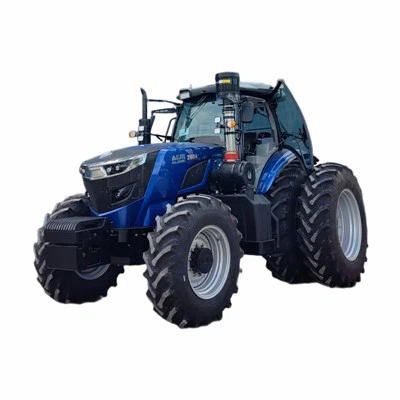
A walking tractor can indeed be used for tilling, and it offers several advantages such as maneuverability, cost – effectiveness, ease of use, and soil conservation. However, it also has some limitations, including limited power and slower tilling speed. By considering factors such as soil type, field size, and tillage depth, and following proper maintenance and operation procedures, you can make the most of your walking tractor for tilling tasks.
Walking Tractor If you’re in the market for a walking tractor for tilling or other agricultural applications, I’m here to help. As a seasoned supplier, I can offer you expert advice on choosing the right model and attachment for your specific needs. Whether you’re a small – scale farmer, a hobbyist, or someone looking to start an agricultural venture, our walking tractors are designed to provide reliable and efficient performance. Feel free to contact me to discuss your requirements and explore the possibilities of enhancing your agricultural operations with our high – quality walking tractors.
References
- "Agricultural Machinery and Equipment Manual" – A comprehensive guide on various types of agricultural machinery, including walking tractors and tillers.
- "Soil Management and Tillage Practices" – A research publication that discusses the impact of different tillage methods on soil health and the role of machinery in soil conservation.
Shandong Ling Ke Industry Group Co., Ltd.
As one of the most professional walking tractor manufacturers and suppliers in China, we’re featured by quality products and good price. Please rest assured to buy cheap walking tractor for sale here from our factory. We also accept customized orders.
Address: 50 Meters West of the Connecting Road Between Jiuma Road and Shima Road, Fangzi District, Weifang City, Shandong Province, P.R.China
E-mail: aileenlin@sdlingkegroup.com
WebSite: https://www.lingketractor.com/
