Hey there, if you’re reading this, you’ve probably got a cabinet air conditioner that stopped cooling and are staring at it like it owes you money—trust me, I’ve been there. I’m part of the team that supplies these things, so I’ve talked to dozens of folks panicking over this exact issue. Cabinet ACs are the unsung heroes keeping server rooms, control panels, and even small industrial spots from turning into sweltering messes when every other system’s on the fritz. When they conk out on cooling, it’s not just annoying—it can derail whole operations. Let’s walk through troubleshooting this step by step, nothing too fancy, no overcomplicated jargon. Cabinet Air Conditioner
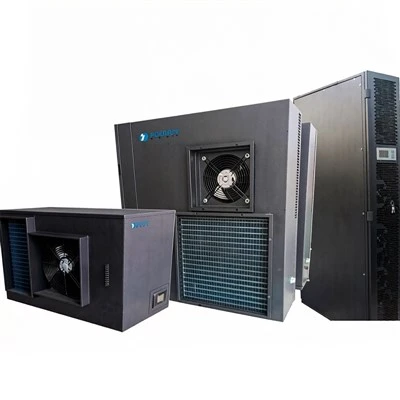
First things first, let’s start with the stupid-easy checks you can do in 2 minutes, no tools required. I see so many people skip these and call us for a service tech when it’s just a dirty air filter or the unit got bumped off the right setting. Wait, what temperature is it set to? No, really—cabinet ACs have a thermostat, and sometimes if you or someone else bumped it, it’ll be set to 80°F or higher when you thought it was cranking out cold air. If it’s way warmer than the room temp, that’s a big one. Also, check if the unit itself is getting power. Sounds basic, but I’ve had customers text me pics of the circuit breaker for the whole garage flipped, or the plug got half-pulled out behind the server rack. If it’s hardwired, pop open the panel (turn the power off first, duh) and make sure the breaker for the AC isn’t tripped. A lot of these units have a little status light on the front, too—if that’s off, power is your first stop.
Next up, the air filter. This is the number one most common problem, hands down. These cabinet ACs draw in air to cool the internal components, and if the filter’s caked with dust, lint, or gunk, air can’t flow through. No airflow = the evaporator coil gets too cold, freezes over, and then nothing’s cold comes out. You should be cleaning or replacing the filter every 1-3 months, depending on how dusty the area is. If you haven’t touched it since you installed the unit a year ago, that’s definitely your culprit. Pull the filter out (it’s usually in a slot on the front or side, easy to yank), take a look—if it’s gray and crumbly, that’s it. Wash it with mild soap and water if it’s reusable, or pop in a new disposable one. Don’t skip this, even if it looks “sort of okay”—I’ve seen filters so clogged they looked like a solid mat. After you swap it out, give it 15 minutes and see if the air gets colder. 9 times out of 10, that fixes it.
If the filter was fine, let’s check the airflow around the unit itself. Cabinet ACs aren’t meant to be stuffed in a tiny corner with no space. They need at least 6-12 inches of clear space on all sides to pull air in and push it out. If someone shoved a shelf of boxes next to it or the vent is blocked by a stack of papers, that’s killing the cooling. Also, make sure the supply and return vents aren’t covered. Some units blow air out the top, some out the front—if you have cables or a piece of equipment sitting right over the vent, the cold air can’t get where it needs to go. I had a customer last month who thought his unit was broken because his server room was 90°F, and it turned out he’d stacked 3 big cases of water bottles right over the AC vent. Move that stuff and it was back to normal in no time.
Okay, so we’ve ruled out the obvious stuff. Now let’s get a little deeper, but still nothing too crazy. Let’s talk about the evaporator and condenser coils. The evaporator is the one that absorbs heat from the air inside the cabinet, and the condenser is the one that blows that heat outside. Both get dirty over time, especially if the area is dusty or has industrial fumes. You can’t see the evaporator easily, but the condenser is usually on the back or side of the unit, exposed. If it’s covered in dirt, dust, or even spider webs, it can’t release the heat it’s pulling in, so the whole system can’t cool. To clean it, turn the power off first (safety first, always—don’t skip this), use a soft brush or a vacuum with a brush attachment to gently sweep the gunk off. Don’t use a pressure washer, that’s a bad idea—it can bend the fins on the coils and damage the unit. A light rinse with a hose is okay if it’s really caked on, just be careful with those delicate fins. If you bend a fin, you can get a fin comb from any HVAC supply store to straighten them back out—super cheap, super easy.
Another thing that’s super common: low refrigerant. Wait, no, I’m not gonna throw around “Freon” like it’s a dirty word—most modern cabinet ACs use eco-friendly refrigerants, but the concept is the same. Refrigerant is the stuff that cycles through the coils to absorb and release heat. If there’s a leak anywhere in the system, the refrigerant level drops, and the unit can’t make enough cold air. But here’s the thing—you can’t check refrigerant level without some basic tools, and you shouldn’t just top it off yourself if you don’t know what you’re doing. It’s not like adding a can of air to a tire. If you’ve already done the filter, airflow, and coil checks and nothing’s working, low refrigerant is probably the issue. But warning—leaks don’t fix themselves, so you’ll need a tech to find the leak, fix it, and recharge the system. Don’t just keep adding refrigerant without fixing the leak, that’s a waste of money and will just break again.
Wait, what about the thermostat? Sometimes the thermostat calibration gets off. If it’s showing the wrong temperature, it might be telling the unit to cool when it’s not needed, or not enough. You can test this by putting a separate thermometer next to the unit’s thermostat. If they’re off by more than 2-3°F, that’s a problem. Some thermostats have a calibration setting, so check your manual (I know, manuals are annoying, but most of our units have a quick calibration step). If it’s an older unit, the thermostat might be going bad, so replacing it is a relatively cheap fix.
Also, let’s not forget about the compressor. The compressor is the heart of the AC—it pumps the refrigerant through the system. If the compressor is on its way out, it might run but not pump enough refrigerant, or not run at all. How do you tell? If you feel warm air blowing, but the unit is humming, that might be the compressor struggling. If there’s no sound at all when the thermostat calls for cool, that could be the compressor not kicking on. Sometimes the compressor has a reset button—look for a little red button on the unit, usually near the power panel. If it tripped, unplug the unit, wait 5 minutes, press the reset button, plug it back in, and see if it works. Don’t press it more than once or twice though—if it trips again right away, there’s a bigger problem, don’t keep resetting it, that can damage the compressor.
Let’s talk about some less obvious issues, just so you’re prepared. If your cabinet AC is in a really cold environment, like a warehouse that drops below 40°F, the refrigerant can get too thick, and the unit might not cool properly. Some of our units have a heat pump feature or a cold climate kit, but if yours doesn’t, you might need a heater nearby to keep the unit above that temp. Also, if you recently moved the unit, sometimes the refrigerant lines get kinked, which stops the flow. That’s another call for a tech, but it’s worth checking if you just moved it and it stopped working.
Wait, let’s circle back because I know everyone’s wondering—when is it time to call us instead of troubleshooting? If you’ve done all the basic steps: checked power, adjusted thermostat, cleaned filter, cleared airflow, cleaned the coils, reset the compressor, and it’s still not cooling, don’t mess around with it. At that point, you’re probably dealing with a refrigerant leak, a faulty compressor, a bad blower motor, or some internal electrical issue that’s better left to trained folks. We’re not here to sell you something you don’t need, either—we’ve worked with thousands of customers, and we’ll tell you if it’s worth repairing or if it’s time for a new unit that’s more efficient.
Speaking of which, if your unit is 10+ years old, it might not be worth fixing anyway. Technology has come a long way—modern cabinet ACs use way less energy, are more reliable, and have better cooling for tight spaces. A lot of customers wait until their old unit dies and end up with a bigger energy bill than necessary, so upgrading is often a smarter move than sinking money into repairs for an outdated unit.
Now, I know troubleshooting can feel overwhelming, especially if you’re not super tech-savvy. The good news is that most cooling issues are super simple, like a dirty filter or blocked vent, and you can fix them yourself in 10 minutes. The last thing we want is for you to stress over a broken cabinet AC when it’s something super easy to sort out.
If you’ve tried all these steps and it’s still not working, or you’re just not comfortable doing any of this, reach out to us. We supply cabinet ACs for all kinds of applications—server rooms, industrial control panels, telecom cabinets, even small retail spaces—and we can help you either troubleshoot further or get you set up with a unit that fits your needs. We’re here to make this as painless as possible, no nonsense, no hidden fees.
Just to recap, the order that works best: 1. Check power and thermostat settings. 2. Clean or replace air filter. 3. Clear airflow around the unit and vents. 4. Clean condenser and evaporator coils. 5. Reset compressor. 6. Call us if none of that works, or if your unit is old.
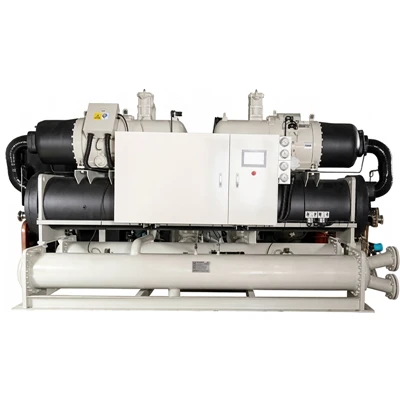
Don’t let a broken cabinet AC derail your day or your operations. Most of the time, it’s a quick fix, and if it’s not, we’ve got you covered. No fancy sales pitches, just straight talk from a team that actually knows these units inside and out.
Industrial Screw Compressor References:
- Air Conditioning Contractors of America. (2021). Residential AC Troubleshooting Guide. ACCA Publications.
- U.S. Department of Energy. (2022). Home Cooling System Maintenance Tips. Energy Efficiency & Renewable Energy Office.
- Industrial Refrigeration Association. (2020). Cabinet Air Conditioner Operation and Maintenance Manual. IRA Technical Committee.
- Consumer Product Safety Commission. (2023). Electrical Safety Tips for HVAC Equipment. CPSC Consumer Guidance.
- HVAC School. (2022). Basic AC Troubleshooting for Non-Technicians. HVAC educational resources.
Shanghai Soouney Refrigeration Equipment Co., Ltd.
As one of the most professional cabinet air conditioner manufacturers and suppliers in China, we offer a wide range of products with superior quality. Please feel free to wholesale customized cabinet air conditioner from our factory. Also, quotation is available.
Address: 1st Floor, Office Building, No. 15 Tongxin East Road, Wanping, Wujiang District, Suzhou City, Jiangsu Province (Shuni Company)
E-mail: shkt@souney.com.cn
WebSite: https://www.soouneyrefrigeration.com/
