Hey there! As a supplier of T25 bulbs, I’ve seen firsthand how humidity can be a real pain in the neck for these little guys. But don’t worry, I’m here to share some tips on how to protect your T25 bulbs from humidity and keep them shining bright for longer. T25 Bulb
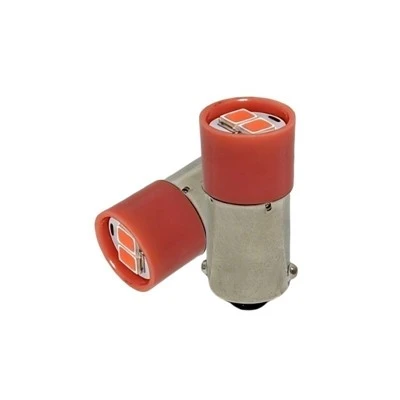
First off, let’s talk about why humidity is such a problem for T25 bulbs. T25 bulbs, like most light bulbs, are made up of a glass envelope that houses the filament or LED. When humidity levels are high, moisture can seep into the bulb, causing corrosion and damage to the internal components. This can lead to a shorter lifespan for the bulb, reduced brightness, and even complete failure.
So, how can you protect your T25 bulbs from humidity? Here are some tips that I’ve found to be effective:
1. Store Bulbs Properly
One of the easiest ways to protect your T25 bulbs from humidity is to store them properly. When you’re not using them, keep them in a dry place, away from any sources of moisture. A sealed container or a dry cabinet is ideal. Avoid storing bulbs in areas like basements or bathrooms, where humidity levels tend to be higher.
If you’re storing a large quantity of bulbs, make sure they’re not packed too tightly together. This can prevent air circulation and trap moisture, which can lead to damage. Instead, arrange them in a single layer or use dividers to keep them separated.
2. Use a Desiccant
Desiccants are substances that absorb moisture from the air. They’re a great way to keep your T25 bulbs dry. You can buy desiccant packs at most hardware stores or online. Just place a few packs in the container where you’re storing your bulbs, and they’ll help absorb any excess moisture.
Some common desiccants include silica gel, activated charcoal, and calcium chloride. Silica gel is a popular choice because it’s non-toxic, reusable, and can absorb up to 40% of its weight in moisture. You can even recharge silica gel by heating it in the oven at a low temperature for a few hours.
3. Install Bulbs in Dry Areas
When you’re installing your T25 bulbs, try to choose dry areas. Avoid installing them in places where they’ll be exposed to water or high levels of humidity, such as near sinks, showers, or outdoor areas. If you need to install bulbs in a damp area, consider using a moisture-resistant fixture or a bulb with a higher IP (Ingress Protection) rating.
The IP rating is a standard that indicates how well a product is protected against dust and water. The first digit in the rating refers to dust protection, and the second digit refers to water protection. For example, an IP34-rated bulb is protected against objects larger than 2.5 mm and splashing water from any direction.
4. Keep the Air Circulating
Good air circulation can help prevent humidity from building up around your T25 bulbs. Make sure the area where the bulbs are installed is well-ventilated. You can use fans or open windows to improve air flow.
In enclosed spaces, like cabinets or closets, you can install a small ventilation fan to keep the air moving. This will help prevent moisture from getting trapped and reduce the risk of damage to your bulbs.
5. Use a Humidifier or Dehumidifier
Depending on the climate in your area, you may need to use a humidifier or dehumidifier to control the humidity levels in your home or workspace. If the air is too dry, a humidifier can add moisture to the air, which can help prevent the bulbs from drying out and becoming brittle. On the other hand, if the air is too humid, a dehumidifier can remove excess moisture, which can reduce the risk of corrosion and damage.
When using a humidifier or dehumidifier, make sure to follow the manufacturer’s instructions carefully. You’ll also need to monitor the humidity levels regularly to ensure they’re within the recommended range for your T25 bulbs.
6. Inspect Bulbs Regularly
Even if you’re taking all the necessary precautions to protect your T25 bulbs from humidity, it’s still a good idea to inspect them regularly for signs of damage. Look for any signs of corrosion, such as rust or discoloration on the bulb’s base or contacts. Check the filament or LED for any signs of damage, such as breaks or burns.
If you notice any problems with your bulbs, replace them as soon as possible. Continuing to use damaged bulbs can not only reduce their lifespan but also pose a safety hazard.
7. Choose High-Quality Bulbs
Finally, choosing high-quality T25 bulbs can make a big difference in their resistance to humidity. Look for bulbs that are made by reputable manufacturers and have a good track record of performance. Consider bulbs that are designed to be more resistant to moisture and corrosion.
When you’re shopping for bulbs, read the product specifications carefully. Look for information about the bulb’s IP rating, moisture resistance, and expected lifespan. This will help you make an informed decision and choose the best bulbs for your needs.
So, there you have it! These are some of the best ways to protect your T25 bulbs from humidity. By following these tips, you can extend the lifespan of your bulbs, save money on replacements, and ensure that your lighting system is always working at its best.
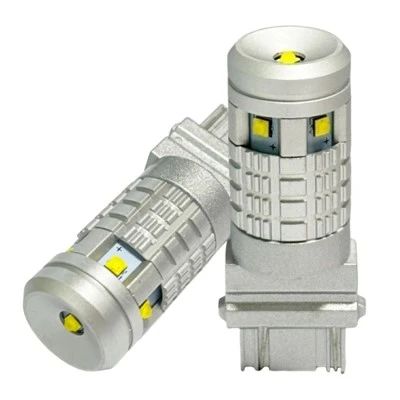
If you’re in the market for high-quality T25 bulbs, I’d love to talk to you. I offer a wide range of T25 bulbs that are designed to be durable, energy-efficient, and resistant to humidity. Whether you’re a homeowner, a business owner, or a contractor, I can help you find the right bulbs for your needs. Just reach out to me, and we can discuss your requirements and options.
T10 Bulb References:
- General knowledge about light bulb technology and maintenance
- Experience as a T25 bulb supplier
BULBPLAN Co., Ltd.
As one of the most professional t25 bulb manufacturers and suppliers in China, our products have good reputation in the market. Please feel free to wholesale cheap t25 bulb for sale here and get pricelist from our factory. Quality products and reasonable price are available.
Address: No. 86 Zhongli Road, Nancheng Street, Dongguan City, Guangdong Province
E-mail: Alex@bulbplan.com
WebSite: https://www.nicebulbs.com/
