Hey there – if you’re running an AAC plant, you already know that one tiny mis pour of lime, cement, or aluminum powder can throw your whole batch off. I’ve been selling and supporting AAC ingredient pouring systems for 12 years, and the question I get most often from new operators and plant managers is: “How often do I actually need to calibrate this thing?” It’s not a one-size-fits-all answer, I’ll tell you that right off the bat – but let’s break it down like we’re chatting in my shop, no boring textbook jargon. AAC Ingredient Pouring System
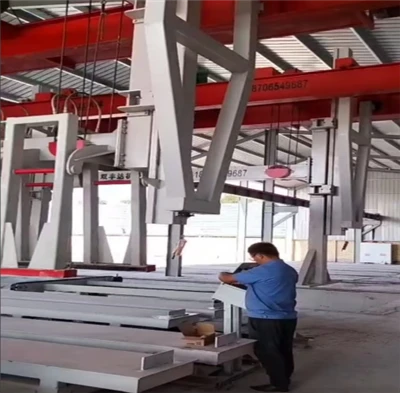
First, let’s get real about what calibration actually is here. We’re not talking about a fancy lab test to calibrate a watch – we’re talking about double-checking that your system’s load cells, flow meters, and valve timers are pouring exactly the amount each recipe says. If you’re supposed to pour 1200 lbs of cement per batch, calibration makes sure it’s not hitting 1120 or 1280 by mistake. That might sound like a small difference, but AAC’s whole game is consistency – if one batch has too little aluminum powder, it won’t expand right; too much, and it’ll crack while curing. Calibration is how you avoid those messy, wasteful, time-wasting re-pours.
Now, let’s start with the basics: our official recommendation for most AAC pouring systems is a full calibration check every 200 production cycles. Wait, a cycle is one full batch run, right? So if you’re running two shifts a day, 5 days a week, that’s roughly 4 batches a day, so you’re looking at a calibration every 10 weeks or so. But before you set that in stone, you gotta factor in how hard your system’s working, and how careful your operators are.
If you’re running a high-volume plant – like, 24/7, knocking out 8 batches a day – you’ll wanna bump that up to every 125 cycles. Why? Because constant use beats on the load cells and valves. Those parts aren’t indestructible – every time a valve slams shut or a load cell handles a heavy bin of lime, there’s tiny wear and tear that adds up. I had a customer a couple years back who ran their line nonstop for 3 months without calibrating, and when they finally checked, their cement was off by 7% per batch. That added up to like $15k in wasted material and a whole week of scrapped blocks – ouch.
On the flip side, if you’re a smaller plant, running one shift a day, 4 days a week, you can stretch that to every 250 or even 300 cycles, but don’t go over that. I’ve had a few small operators try to skip calibrations for months to “save time” and they all end up with the same problem: off-spec batches. And let’s be honest, when you’re running AAC, downtime is expensive, but scrapping a whole day’s worth of blocks is way worse than taking an hour once every 10 weeks to calibrate.
But wait – that’s the scheduled calibration. There are also quick checks you should do every single day, no exceptions. Like, take a small test sample of each ingredient pour at the start of every shift. Pour a 5-gallon bucket’s worth of cement, weigh it, and compare it to what the system says it poured. It takes 2 minutes, and it catches small issues before they become big ones. Last month, one of my clients caught a sticking valve on their aluminum powder during that daily check – if they’d waited until their scheduled 200-cycle calibration, they would’ve had 50 bad batches. That’s the kind of thing daily quick checks are for.
Now, what about if your system has been through a big change? Like, if you replaced a load cell, swapped out a valve, did any plumbing work on the ingredient bins, or even changed a recipe to use a different lime supplier. You should do a full calibration right away, no matter where you are in your cycle. I can’t tell you how many times I’ve gotten a panicked call from someone who just swapped a bin and their whole line’s pouring is off. It’s non-negotiable – even a tiny plumbing adjustment can throw the flow rate off, so calibration is mandatory after any major part or setup change.
Another big factor: the type of ingredients you’re pouring. AAC uses a mix of heavy stuff (cement, lime, sand) and really light stuff (aluminum powder). Aluminum is tricky because it’s fine, it can clog lines, and it’s super sensitive to over-pouring. If your system handles a lot of aluminum powder, you should calibrate every 150 cycles, not 200. I’ve seen aluminum batches that were 2% off expand so much they cracked the mold, or so little they were dense and useless. That stuff’s not cheap, either – aluminum powder can be $30 a pound, so a 2% over-pour adds up fast. Sand is another one – it’s abrasive, so it wears on valves and load cells faster than other ingredients. If your line runs a lot of sand, bump up your calibration frequency too.
What about if you’re running a brand new AAC pouring system? Wait, that’s a big one. New systems have break-in periods, right? For the first 50 production cycles, you should calibrate every 50 cycles, not the regular 200. Why? Because the load cells and valves are settling in. The seals might stretch a tiny bit, the load cells might need to adjust to the constant weight of the bins. I always tell new customers that first couple months are the most important for calibration, because if you get that break-in period right, your system will run smoothly for years. I had a customer who skipped the break-in calibrations, and they spent the first 6 months fighting off-spec batches until they finally calibrated, and now they haven’t had a problem in 4 years.
Now, let’s talk about the signs that your system needs calibration before your scheduled time. Don’t wait for the calendar or cycle count – watch for these red flags: 1) Blocks coming out of the mold that are uneven, lopsided, or cracking. 2) Weight checks of finished blocks are outside the spec range (AAC blocks should be consistent in weight, too). 3) Operators complaining that the system “feels off” – like it’s taking too long to pour, or slamming valves too hard. 4) Waste levels going up – if you’re throwing away more unused ingredients than usual, that’s a sign the system is pouring too much. If you see any of these, stop what you’re doing and do a full calibration. No exceptions.
I know what some of you are thinking: “Calibration takes time, and I’m already short on operators.” Let me tell you, our AAC pouring systems are designed to make calibration fast – we’ve built in quick calibration routines that take 45 minutes max, not 4 hours like some old systems I’ve seen. You don’t need a PhD to do it, either – our operators walk you through the step-by-step onboarding, and we have video tutorials on our support portal that you can pull up on your phone while you’re standing next to the system. If you’re really stuck, our support team can hop on a Zoom call with you while you do the calibration, and walk you through every step, no extra charge.
Wait, also – don’t make the mistake of thinking calibration is just for brand-new systems. I have customers who’ve had our systems for 7, 8 years, and they still calibrate every 200 cycles, and their batch consistency is better than new systems that skipped calibrations. It’s maintenance 101, same as changing the oil in a truck – you don’t skip that because the truck’s old, you skip it and the engine blows. Same with your AAC line.
Let me wrap this up with a quick cheat sheet, so you don’t have to remember all this:
- Scheduled full calibration: 200 production cycles (adjust to 125 cycles for 24/7 high volume, 150 cycles for lots of aluminum powder, 250-300 for slow small plants)
- Daily quick check: 2 mins per shift, weigh a test pour of each main ingredient
- Full calibration after any part swap, recipe change, or plumbing work
- Calimrate immediately if you notice uneven blocks, higher waste, or off-spec weights
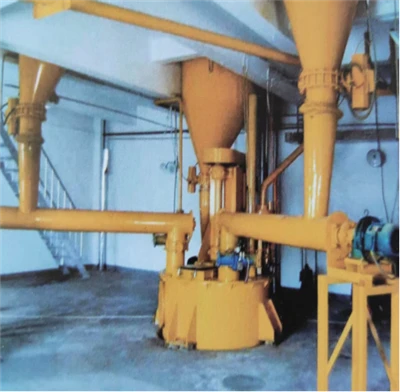
If you’re setting up a new AAC line, or your current line’s been giving you trouble, don’t guess on calibration – reach out to us. We’ve helped hundreds of AAC plants get their pouring consistency right, we can walk you through a custom calibration schedule for your exact setup, and even help with calibration if you’re stuck. No generic quotes, no runaround, just real advice from someone who’s been in the AAC game for way too long.
AAC Raw Material Handling System References:
- AAC Production Best Practices Manual, International Association for AAC Manufacturers, 2022
- Load Cell Calibration for Industrial Blending and Pouring Systems, Industrial Maintenance & Plant Operation Magazine, Vol. 47, No. 9, 2021
- Aluminum Powder Handling in AAC Production: Common Pitfalls and Solutions, Journal of Lightweight Concrete, Vol. 18, No. 2, 2020
- Preventive Maintenance Schedules for AAC Pouring Equipment, Plant Engineering Journal, Vol. 75, No. 6, 2023
Qingzhou Shuangfengda Machinery Engineering Co., Ltd.
As one of the most professional AAC ingredient pouring system manufacturers and suppliers in China, we’re featured by quality products and good price. Please rest assured to buy durable AAC ingredient pouring system for sale here from our factory. Customized orders are welcome.
Address: Gaojiazhuang Village, Gaoliu Town, Qingzhou City, Shandong Province
E-mail: lenhond@163.com
WebSite: https://www.sfdmachinery.com/
