Hey everyone! If you’re in the market for aluminum profile cable trays—you know, those super durable, lightweight workhorses that keep cables organized in warehouses, construction sites, or even office buildings—you probably already get why they’re a go-to for so many projects. But here’s something that trips up a lot of folks: storing them wrong can lead to scratches, bends, corrosion, or even wasted time when you go to install them. As a supplier who’s been dealing with these trays for years, I’ve seen way too many inventory piles get ruined because of lazy storage habits. So today, I’m breaking down exactly how to store your aluminum profile cable trays the right way—no fancy jargon, just real tips that work. Aluminum Profile Cable Tray

First off, let’s talk about why aluminum is great, and why it needs specific storage care. Aluminum is naturally rust-resistant, right? Because it forms that thin, tough oxide layer on its surface when it reacts with oxygen. But that layer isn’t invincible—if you let moisture, dirt, or harsh chemicals sit on it for too long, it can break down, and that’s when corrosion starts. Also, aluminum is softer than steel, so heavy stacking without support can bend those profile shapes out of whack, making them impossible to cut or fit during installation. And scratches from rough handling? They might seem minor, but they can create spots where that oxide layer gets damaged, leading to faster corrosion later. I’ve had customers come back to me with trays that looked fine on delivery but were too bent to use because someone just threw 10 of them in a corner stacked on concrete. Let’s make sure that doesn’t happen to you.
Let’s start with the basics: choosing the right storage location. Don’t just leave your trays out in the open next to a construction dumpster or a leaky warehouse wall. Here’s what to aim for: dry, clean, and temperature-stable. If you’re storing indoors, a warehouse with a concrete floor that’s not prone to flooding is key. If you’re outdoors (sometimes you need to stage materials on a job site before installation), you need a proper shelter—not just a tarp thrown over the top. Wait, tarps can be bad if they trap moisture against the aluminum, right? Yep, that’s a mistake I’ve seen. If you have to store outside, use a breathable tarp, not plastic, and elevate the trays at least 6 inches off the ground so air can circulate underneath. Avoid areas with high humidity too—like near a pool, a steam line, or a storage closet with leaking pipes. Those environments speed up that oxide layer breakdown way more than you’d think.
Next up: organizing and stacking the trays correctly. This is where a lot of people mess up. First, don’t mix different sizes or types of cable trays unless you have to—each size has a specific profile shape, and mixing them can lead to accidental bending when you stack. For example, a smaller 2-inch profile is way more likely to bend under weight than a 6-inch one, so it needs its own stack. Now, when stacking: never just pile them flat on top of each other without supports. Use horizontal supports every 3 to 4 feet along the length of the tray. Think of it like a bridge—if you have a long piece of aluminum, it’s going to sag in the middle if there’s nothing holding it up. I recommend using wooden beams or metal racks that are the same width as the tray’s support flanges (the little edges on the side of the profile that hold it together). Also, don’t stack more than 5 to 6 trays high. Even aluminum can only handle so much downward pressure—stacking 10+ trays will bend the lower ones, and once that happens, they’re not usable anymore. Pro tip: label each stack with the size, length, and quantity so you don’t have to move a whole pile just to find a 10-foot 4-inch tray later. That saves time and reduces handling damage.
Then there’s surface protection. The ground isn’t the friend of aluminum cable trays if you set them directly on it. Concrete floors, dirt, gravel—all of these can scratch the surface and trap moisture. Even if your storage area is dry, concrete can have condensation seeping up from the ground, especially at night when temperatures drop. So elevate the trays off the ground. Use pallets (wooden or plastic, just make sure they’re not rotting or covered in dirt) or storage racks. If you’re using racks, make sure the rack’s surface is smooth—no sharp edges, splinters, or rust spots, because those can scratch the aluminum. I’ve heard of people using old cardboard boxes or foam mats under the trays too—they add an extra layer between the metal and any rough surfaces, which is perfect for protecting finish (if your trays have a powder coat or anodized layer, which a lot of customers do for extra corrosion resistance). Speaking of finish: if your trays have a coated surface, never store them with anything that can rub off onto it—like rubber hoses, oil drums, or other metal parts that have sharp edges. Those will leave marks that are hard to remove, and again, damage the protective layer.
Corrosion prevention is a big one, especially if you’re storing trays for long periods (like 6 months or more). Even with the oxide layer, extended storage can lead to white rust on aluminum— that’s a powdery white substance that forms when moisture and oxygen mix with aluminum, and it’s not harmful structurally, but it can look unprofessional and might require cleaning before installation. To prevent that, use desiccants in storage areas if you’re keeping trays indoors for a long time. Desiccants are those little packets that absorb moisture—you can get them at any hardware store, and place a few in each stack’s storage bin or on top of a stack of trays. If you’re storing outdoors, as I mentioned earlier, use a breathable cover and elevate them to avoid ground moisture. Also, never store aluminum cable trays with other metals, especially steel—steel can leave iron deposits on aluminum, which cause rust stains that are hard to get rid of. If you have to store them near steel materials, make sure they’re separated by a plastic sheet or a wooden barrier. I once had a customer who stored his aluminum trays next to a stack of steel pipes, and within 3 months, the trays had brown rust spots all over them. He tried everything to clean them, but they were permanently marked. That’s a mistake you can avoid with a little separation.
Handling during storage is another often-overlooked part. When you’re moving trays around, don’t drag them across the floor—that’s a surefire way to get deep scratches. Lift them by the support flanges, not by the middle of the tray, because that’s where bending happens. If you’re using a forklift, make sure the forks are padded or covered with a soft material, so they don’t dent the bottom of the tray. And never drop trays—even a small drop can bend the ends, which makes it impossible to connect them to other trays during installation. I know it’s tempting to just toss a tray onto a stack, but one drop can ruin a whole piece that would’ve worked perfectly for a long cable run.
Wait, what about if you’re storing individual pieces vs. pre-assembled trays? Pre-assembled ones—like cable tray elbows, tees, or reducers—need even more care. They’re more complex shapes, so they’re more likely to get bent or scratched. Store pre-assembled parts in separate bins or on smaller racks, labeled clearly, so you don’t have to stack heavy regular trays on top of them. If you have small parts, like connectors or fasteners, store them in sealed plastic bins to keep dust and moisture out—those small metal parts can corrode too, which would make them hard to use when you’re installing the trays.
Now, let’s talk about a few common mistakes I see all the time. One is stacking trays on uneven surfaces. If your pallets are wobbly, the stack can tip over, and you’ll end up with a bunch of bent trays. Make sure your storage surfaces are level. Another mistake is not keeping storage areas clean. Dust, dirt, and construction debris can get into the trays’ channels (the part where the cables sit) and scratch the cables later, or create spots for moisture to collect. Wipe down trays before storing them if they’re dirty—just a quick wipe with a dry cloth or a mild detergent (no harsh chemicals, since those can damage the aluminum’s oxide layer) is enough. And if you’re storing trays that have been on a job site, make sure all construction waste (like nails, screws, or concrete dust) is removed before putting them into long-term storage.
What if you’re in a tight space, like a small warehouse? You might think stacking higher is the only option, but even then, don’t go over 6 high, and use proper supports. Alternatively, use vertical storage racks—they let you stack trays side by side, which reduces bending and takes up less floor space. I’ve sold a lot of vertical racks to customers who had limited warehouse space, and it’s made a huge difference in their storage damage rates. It’s a small investment that saves you from having to replace ruined trays every few months.
Alright, so let’s wrap this up with a quick checklist, because I know you’re busy and need something easy to reference. 1. Store in dry, clean, low-humidity areas; elevate trays 6+ inches off the ground. 2. Stack max 5-6 trays high, use horizontal supports every 3-4 feet. 3. Use smooth, padded surfaces between trays and storage. 4. Separate aluminum from other metals, use desiccants for long-term storage. 5. Lift, don’t drag, trays; avoid dropping them. 6. Label all stacks to reduce unnecessary handling.
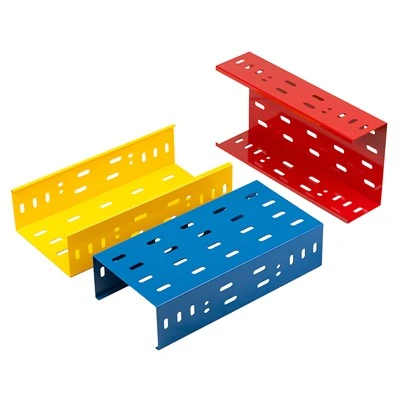
If you’re still unsure about your storage setup, or you need custom cable trays that are built to hold up to your specific storage and installation needs, feel free to reach out to connect with our team for a procurement discussion. We’ve been supplying aluminum profile cable trays to all kinds of projects, from small office remodels to large industrial construction, and we can help you figure out the right storage tips for your inventory too. Don’t let bad storage ruin your hard-earned materials—get in touch, and let’s make sure your cable trays stay in perfect shape from delivery to installation.
Trough Cable Tray References
- Aluminum Association. (2021). Aluminum Storage and Handling Guidelines for Construction Products.
- National Electrical Manufacturers Association (NEMA). (2022). Standards for Cable Tray Storage and Corrosion Prevention.
- International Code Council (ICC). (2020). Construction Material Storage Best Practices for Metal Products.
- Surface Treatment Society. (2019). Oxide Layer Preservation for Aluminum Metal Components.
- Occupational Safety and Health Administration (OSHA). (2021). Warehouse Material Stacking and Handling Guidelines.
Hebei Jinglang Industrial Co., Ltd.
As one of the most professional aluminum profile cable tray manufacturers and suppliers in China, we also support customized service. We warmly welcome you to wholesale high quality aluminum profile cable tray in stock here from our factory. If you have any enquiry about quotation, please feel free to email us.
Address: Nanxinzhuang Village, Daweihe Hui and Manchu Township, Wen’an County, Langfang City, Hebei Province
E-mail: 18231629992@163.com
WebSite: https://www.jinglangcabletray.com/
