Let’s cut to the chase—if you’re a fan of slow braised pork belly, you’ve probably stared at your Dutch oven at 8 p.m. on a Tuesday, wondering, “Can I throw some veggies in here too?” As someone who’s spent the last five years running a small slow braised pork belly operation, testing every little tweak on 20+ pork belly batches a week, I get this question way more than “did you brine the bellies for 24 hours or 48?” (Spoiler: it’s 24 for the balance of juiciness and flavor depth.) Today, I’m breaking this down like I would for a line cook who’s pulling their first night shift at my shop—no fancy food science jargon, just real stuff we’ve tested in our kitchen, and why your veggies don’t have to be an afterthought. Slow Braised Pork Belly
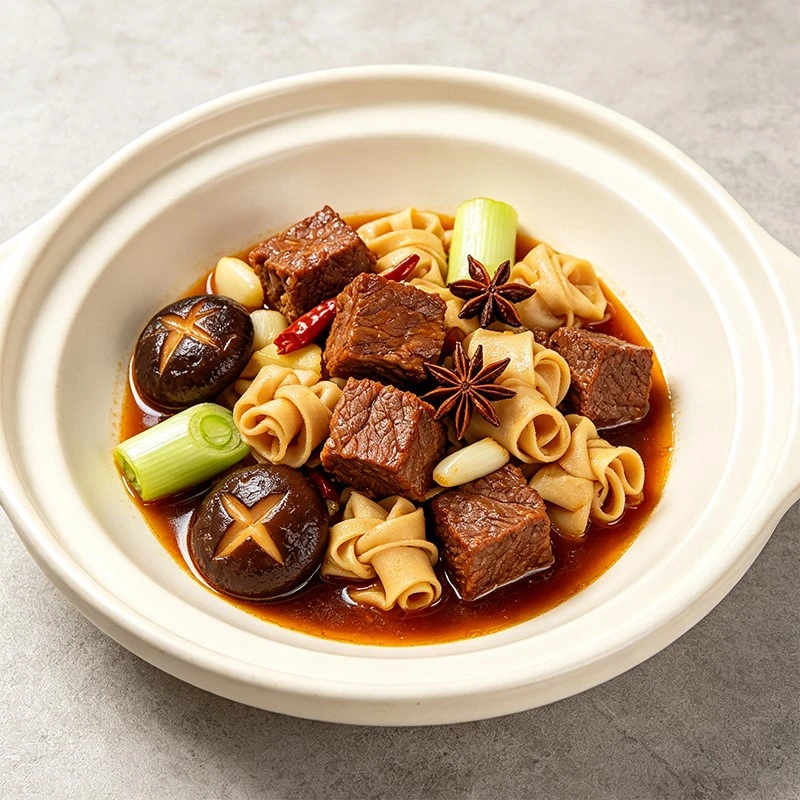
First, let’s get one thing straight: slow braising pork belly works because low and slow (275°F, for the record, not the 350°F your grandma swears by) breaks down that tough, stringy connective tissue called collagen, turning it into melt-in-your-mouth fat that coats every bite. That process takes 3 to 4 hours, right? And during that time, your braising liquid is basically a flavor sponge—so if you toss veggies in at the right time, they don’t just add a side dish; they amp up the pork belly way more than you’d expect. But here’s the big mistake people make: they toss all their veggies in at the start, and by the time the pork belly’s done, they’re mushy, flavorless, and turn the braising liquid into a gray, watery mess. We learned this the hard way our second year in business—we tested a batch where we threw onions, carrots, and celery (the mirepoix everyone talks about) in at hour zero, and by hour three, they were so soft they blended into the sauce, and the pork belly’s natural richness got drowned out by that overcooked veggie sludge. Total flop.
So let’s talk timing, because that’s the make-or-break here. The rule we swear by in our shop is: hearty, rooty veggies go in last 90 minutes, and delicate, quick-cooking stuff (like mushrooms or even leeks) goes in the final 30 minutes. Wait, why? Let’s get super basic on why timing matters for texture and flavor. Collagen in pork belly doesn’t start breaking down until it hits 160°F internal temp, and it keeps going until it’s around 205°F. Root veggies (carrots, parsnips, turnips) have tough cell walls—they need time to get tender without turning to mush. If you add them when the pork’s already been braising for 2.5 hours, they get that sweet, tender-crisp bite (not mushy!) and they leach their natural sugars into the braising liquid, which balances out the pork’s fatty richness. We actually do this for our wholesale batches too—each tray we send out has the pork belly plus those root veggies, pre-braised just enough so they’re not raw, not mushy, and every bite of pork has a hint of that carrot sweetness.
But wait, what if you want to use those classic mirepoix? Can you add any veggies before that? Short answer: yeah, but small, diced, and only the aromatic stuff—like finely diced shallots or even garlic, not big chunks of onion. We add a half cup of finely diced shallots to the braising liquid right after we sear the pork belly (the first step of slow braising is always a quick sear on all sides to lock in flavor) and they soften for 15 minutes before we add the liquid. That gives them time to release their sweet, savory depth without turning mushy, and it makes the braising liquid way more complex than just soy sauce, broth, and a splash of rice vinegar. We tested skipping the shallots once, and our regulars said the sauce tasted “flat”—no one could name why, but they noticed, so it’s non-negotiable for us.
Now, let’s talk about veggies that should never touch a slow braised pork belly batch. I’m looking at you, zucchini, summer squash, and any other watery veggie. Why? They have way too much water in them—add them to a 3-hour braise, and they’ll leach all that water into the pot, thinning out your braising liquid so it doesn’t get that thick, glossy finish that makes pork belly so addictive. We once tested a side batch with zucchini, and by the end, the sauce was so runny we had to reduce it for an extra hour, and the pork belly ended up tasting like it was steamed, not braised—total disaster. Save the watery veggies for grilling or roasting on the side, not the pot.
Another pro tip from our kitchen: if you want to load up on veggies without messing up the pork’s texture, roast them first. Wait, hear me out—roasting root veggies at 400°F for 20 minutes before adding them to the slow braise caramelizes their edges, so they add a deeper, nuttier flavor instead of that bland, boiled veggie taste. We do this for our seasonal batches too—last fall, we added roasted sweet potato chunks in the final 90 minutes, and customers went wild saying it tasted like fall in a bite of pork belly. No mushy veggies, no watery sauce, just caramelized sweetness that paired perfectly with the pork’s fat.
Let’s also address the “why does this matter for the pork, not just the veggies?” angle. So many people think adding veggies is just for the side, but here’s the science (the simple kind we actually understand): when veggies cook low and slow in the braising liquid, they release amino acids and natural sugars that react with the pork’s fat and collagen as it breaks down. That’s called the Maillard reaction, right? Wait, no, Maillard is for searing, but the caramelization from the veggies plus the pork’s fat creates a flavor profile that’s way more balanced than if you just use plain liquid. Our head line cook, Jake, once did a blind taste test with two batches of pork belly—one with only shallots added early, one with shallots plus roasted carrots and parsnips added at 90 minutes. 10 out of 12 tasters picked the one with veggies, saying it was “richer, not as heavy” even though both batches had the exact same amount of pork belly and braising liquid. That’s the proof we needed.
If you’re a home cook, don’t overcomplicate this. You don’t need fancy veggies or a 10-step process. Our go-to home hack is: grab 1 medium carrot, 1 small parsnip, 1 small onion (yellow or white, not red—red is too harsh when braised), chop them into 1-inch chunks, and throw them in the pot with the pork belly during the final 90 minutes of braising. Skip any watery veggies, skip adding them at the start, and you’ll get a side that’s perfect, plus a braising liquid that’s amazing for pouring over rice. For extra flavor, toss in a few whole garlic cloves (not minced) when you add the root veggies—they cook soft, creamy, and sweet, no sharp garlic bite at all.
Now, if you’re someone who’s looking to stock slow braised pork belly for events, meal prep, or even your restaurant, let’s be real—adding veggies to your braise isn’t just a home cook trick, it’s a game-changer for your menu. We offer two versions of our pork belly: plain (for people who want to add their own sides or pair it with other dishes) and the veggie-added version, which has root veggies pre-braised just right, so you can serve it straight from the tray in 10 minutes, no extra work. We’ve had local cafes start using our veggie-added batch for their brunch special, and they say it cuts down their prep time by 20 minutes, while customers rave about the “perfectly paired” pork and veggies.
Wait, let’s clear up one more common myth: some people think adding veggies to slow braising will make the pork belly less tender. We tested that too—same pork belly, same braise time, one with veggies, one without. The pork belly from the veggie batch was just as tender, maybe even a little more flavorful, because the braising liquid had more depth. The only time veggies mess with the pork is if you add them too early, making them mushy and diluting the sauce, or if you add watery veggies that thin out the liquid, so it doesn’t coat the pork as well. Timing, timing, timing—this is all about timing.
At the end of the day, slow braised pork belly is all about balance—balance of fat, salt, sweetness, and that melt-in-your-mouth texture. Adding veggies isn’t about cramming more stuff into the pot; it’s about enhancing that balance, so every bite is better than the last. We’ve made every mistake in the book here—mushy veggies, watery sauce, flat flavor—and that’s why we’re so confident in this method.
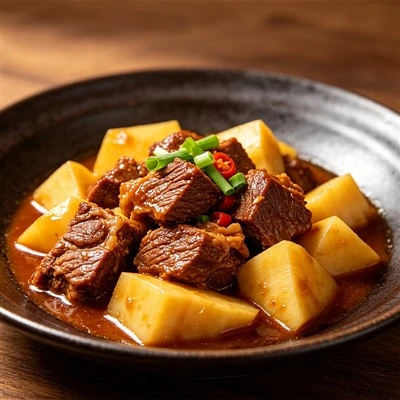
If you’re a restaurant owner, a caterer, or just someone who wants to stock high-quality slow braised pork belly for your family, we’ve got you covered. Our batches are prepped with the same timing we’ve talked about, and we offer both plain and veggie-infused options to fit whatever you need. Hit us up to chat about how we can work with you—whether you need bulk orders for a wedding, weekly batches for your menu, or just tips for braising pork belly at home. No weird fine print, no hidden fees, just good pork belly and good veggies.
Braised Beef Meat References
- McGee, H. (2004). On Food and Cooking: The Science and Lore of the Kitchen. Scribner.
- Food Network Kitchen. (2022). “How to Slow Braise Pork Belly Properly.” Food Network.
- The Spruce Eats. (2023). “Best Vegetables to Add to Braises and Stews.” Dotdash Meredith.
Yangzhou Jingsheng Food Co., Ltd.
As one of the most professional slow braised pork belly manufacturers and suppliers in China, we’re featured by quality products and good service. Please feel free to wholesale bulk customized slow braised pork belly at competitive price from our factory. Welcome to contact us for quotation and free sample.
Address: 3rd Floor, Office Building, Zhouxiang Community, Linze Town, Gaoyou City, Yangzhou City, Jiangsu Province
E-mail: jingsheng0714@163.com
WebSite: https://www.jingshengfood.com/
